
The Essential Guide to Transition Foods
How to switch diets without ruining your rug
Understanding Transition Foods and Their Importance
Transition foods are specially formulated diets designed to facilitate a gradual change in your pet's nutritional intake. The significance of transition foods lies in their ability to prevent gastrointestinal distress that often accompanies sudden dietary shifts. Abruptly changing your pet's diet can lead to symptoms such as diarrhea, vomiting, and overall discomfort, which can be detrimental not just to their health, but also to your household routine.
The physiological rationale behind this phenomenon revolves around the delicate balance of a pet's digestive system. Pets have unique gut flora that adapts to the specific types of food they consume. When introduced to a new diet suddenly, this flora struggles to adjust, resulting in potential digestive turmoil. Transition foods offer a blend of the old and new diet, allowing the pet’s digestive system to acclimatize more harmoniously.
Many pet owners inadvertently make common mistakes during the transition phase. These can include switching the diet too quickly, not monitoring their pet’s response adequately, or forgetting to maintain the recommended ratios of old and new foods. Such oversights can amplify the risk of gastrointestinal issues. Instead, it is advisable to take a gradual approach, introducing transition foods in a specified timeframe. Typically, a 7 to 10-day window is recommended, with each day incorporating increasing amounts of the new food while decreasing the old, ensuring a balanced shift.
Incorporating transition foods not only mitigates potential health risks but also aligns with a pet's natural adaptability to change in their nutritional regimen. By understanding and utilizing transition foods appropriately, pet owners can support their beloved companions through dietary changes, promoting optimal health and well-being.
The Risks of Abrupt Diet Changes
Transitioning a pet to a new diet is a task that requires careful consideration and planning. Abrupt changes in a pet's food can lead to serious digestive issues, which can significantly affect their overall health and well-being. Pets, particularly dogs and cats, have sensitive digestive systems that can react negatively to sudden alterations in their diet.
One of the most common outcomes of a hasty diet switch is diarrhea. This occurs when the new food introduces ingredients that the pet’s digestive system is not accustomed to, leading to difficulty in processing the new components. This can also be accompanied by vomiting, which serves as another additional sign of an upset stomach. Such digestive discomfort not only affects the pet physically but can also impact their behavior, causing them to become lethargic or unusually irritable.
Recognizing signs of food intolerance becomes critical during this period. Whether it’s bloating, gas, or an absence of appetite, these indicators may suggest that the animal is not responding well to the new food. Allergies may also surface, with symptoms ranging from skin irritations to gastrointestinal issues that could require veterinary intervention. Therefore, monitoring the pet closely during a transition is paramount.
Numerous testimonials and case studies highlight the pitfalls of neglecting a structured food transition. For instance, some pet owners have reported instances of severe gastrointestinal distress in their pets following a sudden transition, leading to emergency vet visits. These cases exemplify the importance of taking a gradual approach to dietary changes, as it allows the pet’s digestive system time to adjust and adapt, minimizing potential health risks.
Day 1: Initial Introduction
Begin by mixing a small amount of the new food with your pet's current diet. Aim for a ratio of about 25% new food to 75% old food. This gentle introduction is crucial, allowing your pet to acclimate to the new flavors and textures without overwhelming their digestive system. Monitor your pet’s reaction closely; observe for any signs of discomfort or hesitance in eating. If your pet appears to enjoy the mixture, you can proceed to Day 2.
Day 2: Increase the New Food Ratio
Increase the amount of new food to 50%, maintaining the remaining 50% as the old food. This balanced combination facilitates the adjustment period. Continue to monitor your pet’s stool consistency and appetite. If any adverse reactions occur, consider extending the duration at this step before transitioning further. Ensuring your pet's comfort and health is paramount during this transition.
Day 3: A Greater Commitment
For Day 3, shift the ratio to 75% new food and 25% old food. This increment encourages your pet to embrace their new diet while still providing familiarity with the previous food. Observe if your pet exhibits any signs of stress or reluctance. Engaging in regular check-ins, such as how enthusiastic they are to eat and their energy levels, can help gauge their comfort during this time.
Day 4: Focus on Monitoring
By Day 4, most pets can handle an all-new food diet. However, be cautious and maintain a 75-25 ratio if your pet shows signs of difficulty. After confirming your pet’s adaptation, slowly phase out the old food entirely. This monitoring phase is vital; focus on observing any shifts in behavior or health, such as changes in stool or energy levels.
Day 5: Full Transition
If your pet has adjusted well by Day 5, you can transition to 100% of the new food. This completes the transition process, but consistency is key. Ensure your pet enjoys their new diet, while being mindful of any fluctuations in their health. Gradual adaptation to new dietary habits can prevent gastrointestinal issues.
Day 6-7: Maintenance and Observation
During the last two days, continue to observe your pet closely. Assess how they are responding to the new diet. Ensure that they are adapting positively without any adverse effects. If all goes well, you may also start to consider incorporating different foods or flavors in small quantities, introducing variety over time without compromising your pet's digestive capability.
Tips for a Successful Transition and What to Watch For
Transitioning your pet to a new diet involves careful consideration and planning. The first step is to select the appropriate transition foods that align with your pet's nutritional needs. It is important to seek foods that are specially formulated to ease the dietary change. Look for options that contain similar ingredients to the current diet, which can significantly help in reducing digestive issues. Additionally, always introduce new foods gradually, typically over a week, to allow your pet's digestive system to adjust. Start with a small portion mixed into the old food, gradually increasing the new food ratio.
Proper food storage is another critical aspect of a successful transition. Ensure that all food, including transition foods, is stored in a cool, dry place to maintain its freshness and nutritional value. Use air-tight containers to prevent spoilage and contamination. Regularly check the food for any signs of mold or expiration, and dispose of any outdated items promptly to avoid health complications for your pet.
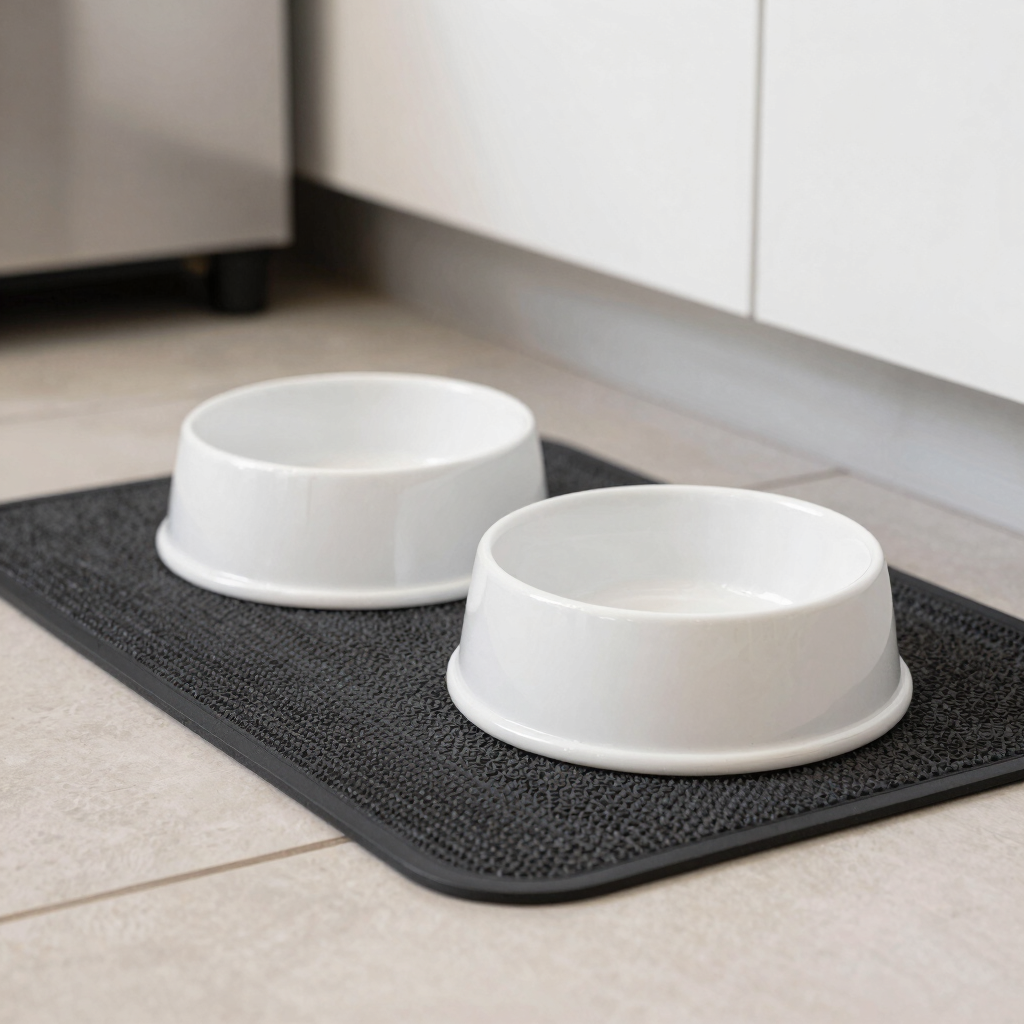
Maintaining cleanliness within your pet feeding area is essential to prevent undesired messes that could result in damaging your rugs or flooring. Always clean any spills or leftover food immediately to prevent attracting pests or bacteria. Keep feeding bowls sanitized to promote good hygiene, which is crucial for your pet’s health.
As the transition progresses, monitor your pet for any unusual symptoms such as excessive vomiting, diarrhea, or lethargy, as these may indicate an adverse reaction to the new diet. If such symptoms persist, it is advisable to contact your veterinarian for guidance. They can provide additional insights tailored to your pet’s specific needs, ensuring a smooth and healthy transition.