
Don't Skimp on Your Senior Dog's Diet
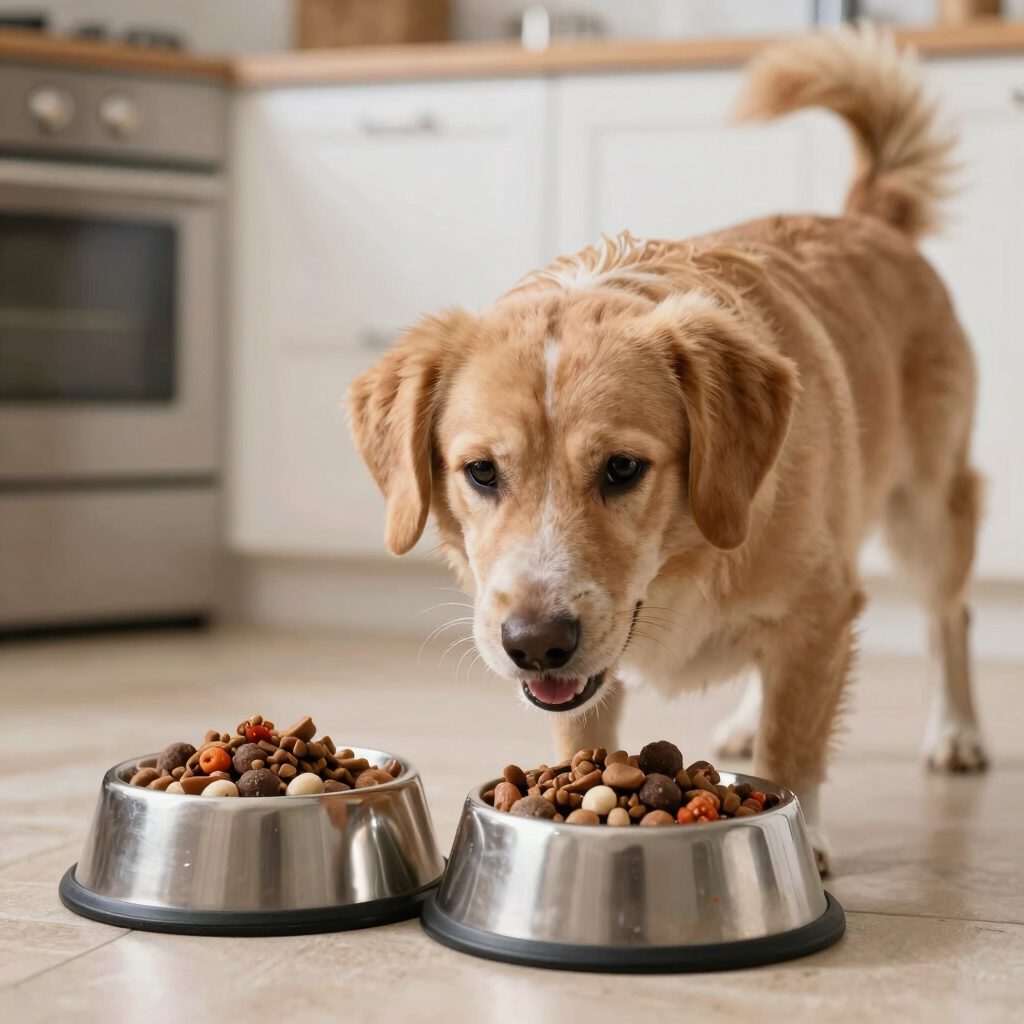
Understanding the Needs of Senior Dogs
As dogs age, their bodies undergo several changes that require special attention, particularly when it comes to nutrition. Just like us, our furry friends experience aches and pains, and often, these issues can be alleviated with the right diet. Senior dogs, in particular, need a diet rich in necessary nutrients to keep them happy and healthy. So, don’t skimp on the old guys!
Why Quality Matters
Many pet owners might assume that feeding senior dogs less food will suffice as they tend to be less active. However, less food doesn’t equate to better nutrition. In fact, senior dogs require a quality diet packed with glucosamine and omega fatty acids that support joint health and overall well-being. Glucosamine is vital for maintaining cartilage, while omega-3 and omega-6 fatty acids promote a healthy coat and skin, boost the immune system, and help reduce inflammation.
Choosing the Right Ingredients
When selecting food for your senior dog, look for high-quality ingredients. Feeding them dog food specifically formulated for seniors is a great start. These formulas will often include higher fiber content for better digestion alongside the important glucosamine and omega fatty acids. Avoid fillers like corn and soy, as these don’t offer substantial health benefits. Instead, choose options that list meat as the first ingredient and incorporate whole grains and vegetables for a balanced diet.
Additionally, consider incorporating some fresh foods into their diet. A small serving of cooked vegetables or lean proteins can provide excellent health benefits and keep mealtime exciting. In moderation, foods like blueberries, carrots, and even sweet potatoes can serve as great sources of vitamins.
Keeping an Eye on Hydration
Another essential factor to consider is hydration. Senior dogs can easily become dehydrated, which may lead to further health issues. Ensure your dog always has access to fresh, clean water. You might also consider wet food options as they can provide additional moisture and can be easier for older dogs to chew and digest. Remember that hydration is a crucial aspect of their diet, one that can easily be overlooked.
Consulting with Your Veterinarian
Lastly, it’s a good idea to consult with your veterinarian when making changes to your senior dog's diet. They can recommend specific dietary needs based on your dog’s health and lifestyle. Keep in mind that every dog is different, and what works for one may not work for another. A tailored diet incorporating the necessary nutrients can improve your senior dog’s quality of life.
In conclusion, don’t skimp on the old guys! Senior dogs deserve optimal nutrition that includes glucosamine, omega fatty acids, and high-quality ingredients to keep them healthy and happy. A balanced diet can make all the difference in their comfort and longevity, so let’s give them the best care possible.